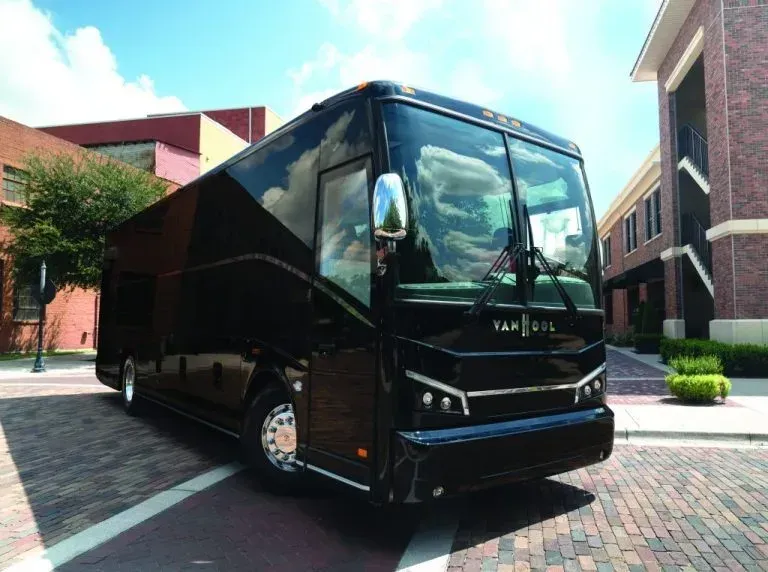
Coordinating transportation for a large group can quickly become a complex task when multiple schedules, pickup arrangements, and travel expectations are involved. Whether the gathering consists of corporate events, family festivities, organized outings, or special occasions, ensuring timely group arrivals demands strategic planning. A well-organized transportation strategy helps eliminate confusion, reduces delays, and creates a more enjoyable experience for everyone involved. By mastering the important elements of coordinating group transportation, planners can deliver a smooth and organized travel experience from start to finish.
When numerous travelers journey together, transportation extends beyond basic passenger movement between locations. It becomes an important part of the overall event experience. Thoughtful planning helps support schedules, facilitate communication among passengers, and promote a smoother journey. At A1 Quality Express Limousine, we appreciate the importance of delivering organized transportation arrangements that support convenient and reliable group travel.
Start Planning Transportation Well in Advance
Successful group transportation begins with early preparation. Delaying arrangements until the final stages can reduce available choices and make it harder to meet the group's unique requirements. Transportation planning should begin with confirming passenger totals, travel timelines, expected departure schedules, and destination requirements. Obtaining these details early helps establish a dependable framework for organizing transportation that supports the overall itinerary.
Proactive planning creates time to address concerns before they develop into larger obstacles. Event schedules, transportation logistics, accessibility considerations, and roadway conditions all play a role in shaping transportation plans. Taking care of these elements early allows organizers to implement transportation plans that keep travelers moving effectively. Careful planning regularly produces more efficient travel experiences with fewer complications.
Understand the Specific Size and Needs of the Group
An essential part of coordinating transportation involves understanding the group’s size and individual travel needs. Correct passenger totals help planners choose suitable vehicles while avoiding capacity-related issues. Coordinators should establish participant counts promptly and keep them updated throughout the planning process.
Passenger counts are important, but personal requirements within the group should also be considered. Some group members may have additional baggage needs, while others may benefit from specific accommodations or assistance. Awareness of these details supports transportation arrangements that better serve the group. Obtaining comprehensive details helps planners deliver greater comfort and efficiency throughout the trip.
Develop a Comprehensive Transportation Schedule
A well-defined transportation schedule functions as a guide for the whole group. Planners need to map out departure schedules, pickup points, travel time estimates, arrival targets, and designated stops. A detailed itinerary reduces confusion and ensures everyone knows where and when they need to be. Clarity and consistency are particularly important when handling larger groups with many participants.
Clear communication is essential for making transportation schedules successful. Travelers should receive full group transportation transportation instructions before the event starts. Sharing itineraries through email, messaging platforms, or printed materials helps keep everyone informed. When participants have clear expectations, transportation operations tend to run more smoothly and efficiently.
Set Up Central Pickup and Drop-Off Points
Managing multiple pickup locations can create unnecessary complexity for large-group transportation. When possible, coordinators should use unified pickup and drop-off points for participant convenience. Combining meeting points simplifies boarding procedures and reduces delays from multiple stops. It also simplifies communication and improves overall efficiency.
Centralized locations provide additional benefits by making it easier to account for all travelers before departure. Organizers can verify participants, communicate updates, and clarify details before the trip starts. This structured approach ensures all participants are ready and helps maintain schedule accuracy. Clear meeting points contribute significantly to a well-coordinated travel experience.
Focus on Consistent Communication During Planning
Good communication is one of the key components of coordinated group travel. Participants must be kept informed of schedules, instructions, and any adjustments. Accurate communication reduces confusion and helps passengers prepare properly. Strong communication supports both efficiency and passenger satisfaction.
Organizers should ensure reliable systems for distributing information before and during travel. Designated contacts and digital communication tools help spread updates quickly. In the middle of any successful transportation plan, communication remains the connecting element that keeps everyone informed and aligned. Consistent information sharing helps ensure smooth and uninterrupted travel.
Prepare for Unexpected Situations
Even the most organized transportation plans can experience surprises. Conditions such as weather, traffic, timing changes, and delays may demand immediate action. Incorporating adaptability helps ensure smooth responses to unexpected events. Proper preparation helps maintain stability despite evolving circumstances.
Backup communication systems, alternative routes, and assigned contacts should be part of contingency planning. Having procedures in place for handling unexpected challenges helps reduce stress and supports a more organized response. Early planning supports continued efficiency despite modifications.
Put Passenger Comfort and Convenience First
Comfort is a major factor in the overall travel experience. Large groups frequently travel for long durations, making comfort and convenience essential. A well-managed environment and seating comfort enhance the travel experience. When passengers are comfortable, they tend to have a better experience and arrive ready.
Ease of travel contributes significantly to successful coordination. Easy boarding systems, clear directions, and efficient scheduling reduce complications. Thoughtful coordination allows travelers to enjoy the event freely. Convenient travel arrangements support a more successful overall experience.
Partner with Skilled Transportation Experts
Handling group transportation requires managing many elements, making expert support important. Experienced providers know how to manage timing, passenger coordination, and operational efficiency. Their skills assist in managing logistics while keeping operations organized.
Expert transportation teams provide insights that enhance coordination. Familiarity with large-group travel allows professionals to foresee challenges and offer guidance. Professional assistance enables organizers to focus on the occasion while transport is handled efficiently.
Make Group Transportation Part of the Event Experience
Transportation should be considered part of the event rather than just a way to travel. Coordinated travel allows guests to start experiencing the event early. Well-managed transport enhances the event atmosphere and experience.
At A1 Quality Express Limousine, we understand that successful transportation relies on planning, communication, and customer care. Coordinating transportation for large groups does not have to be overwhelming when the right strategies are in place. Attention to structure and comfort ensures successful group transportation experiences. We are committed to creating reliable travel experiences that ensure passenger peace of mind.
Comments on “How to Arrange Group Transportation for Seamless Travel Experiences”